Het binnenhof: van bouwput tot toeristische attractie
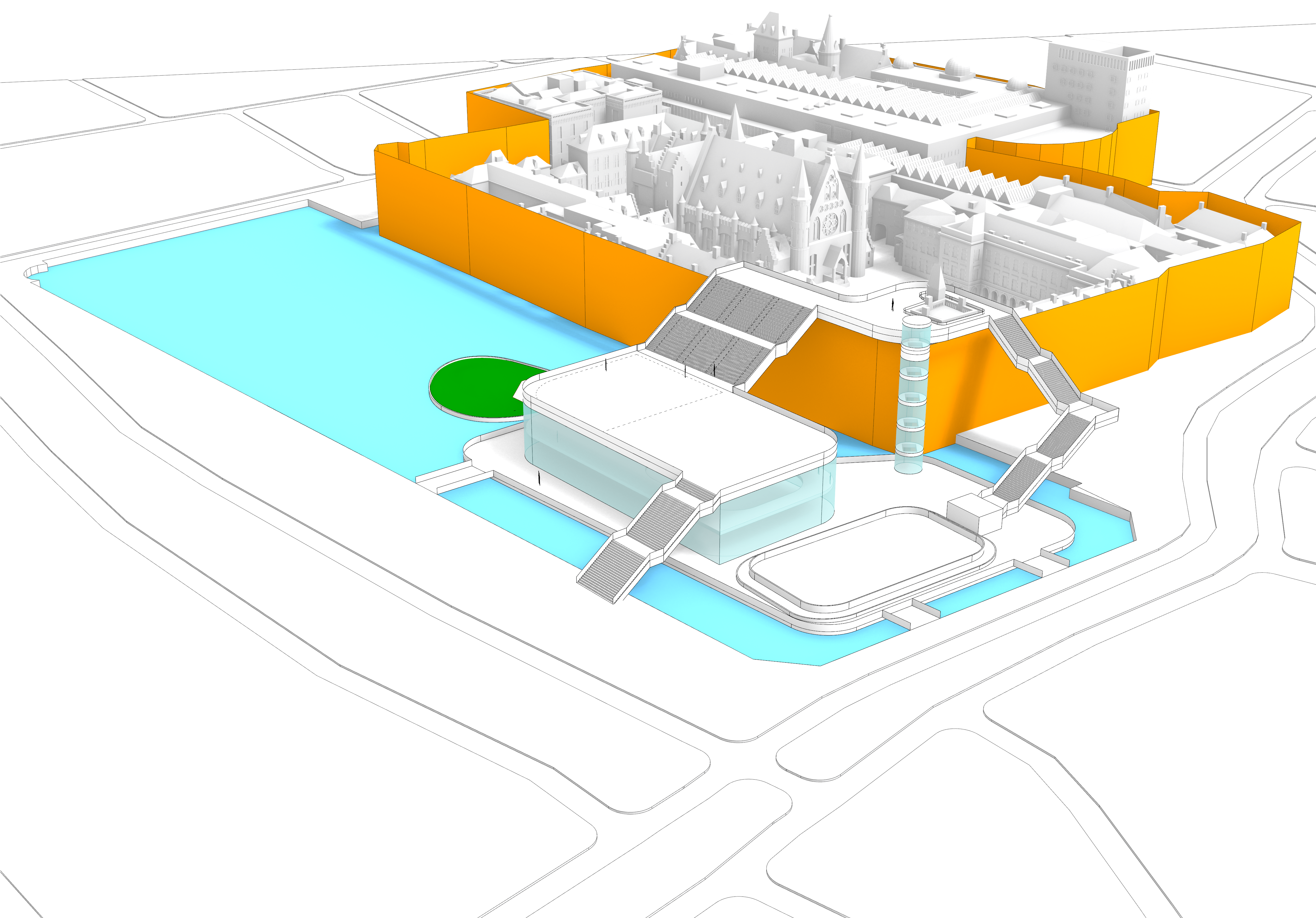
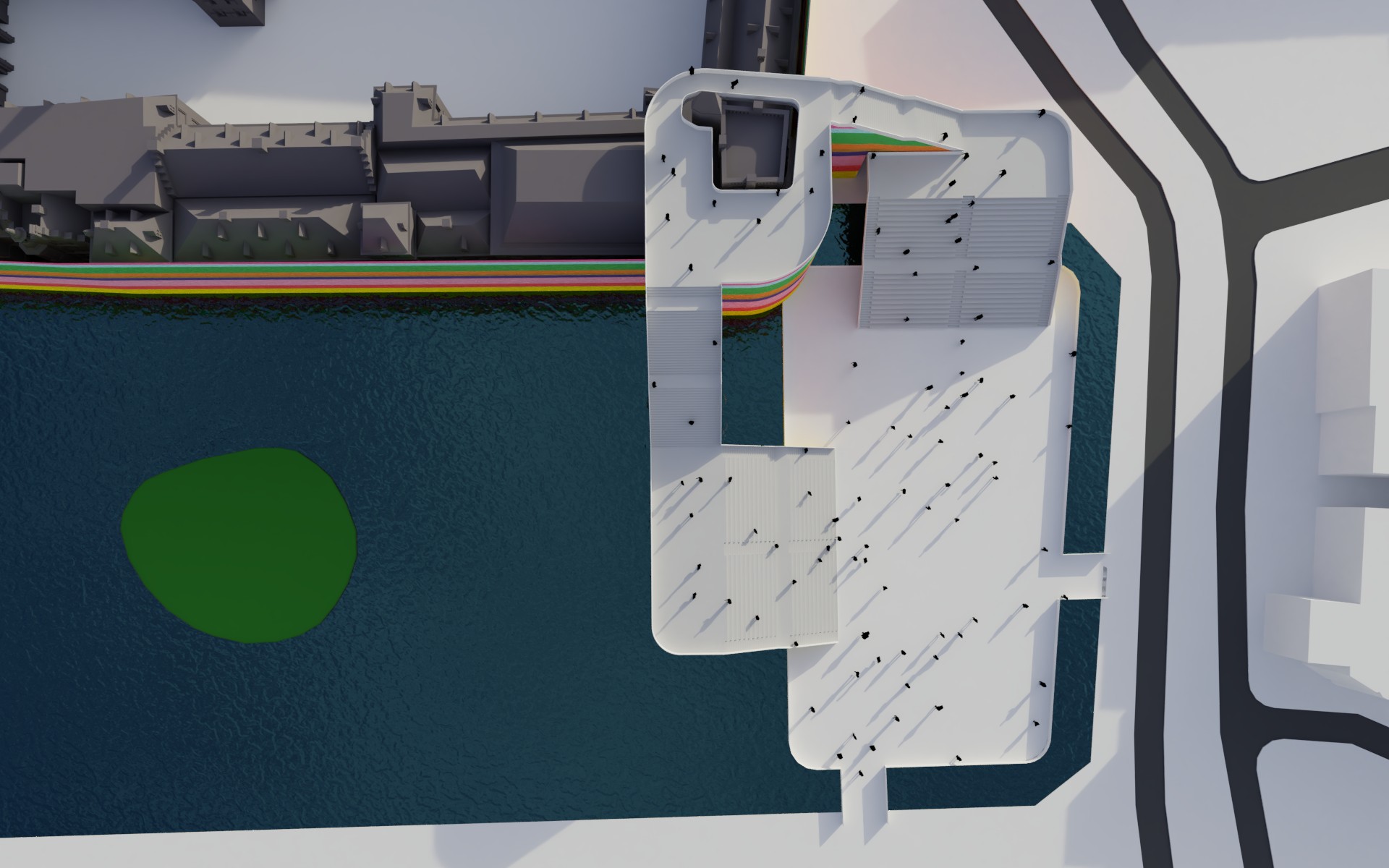
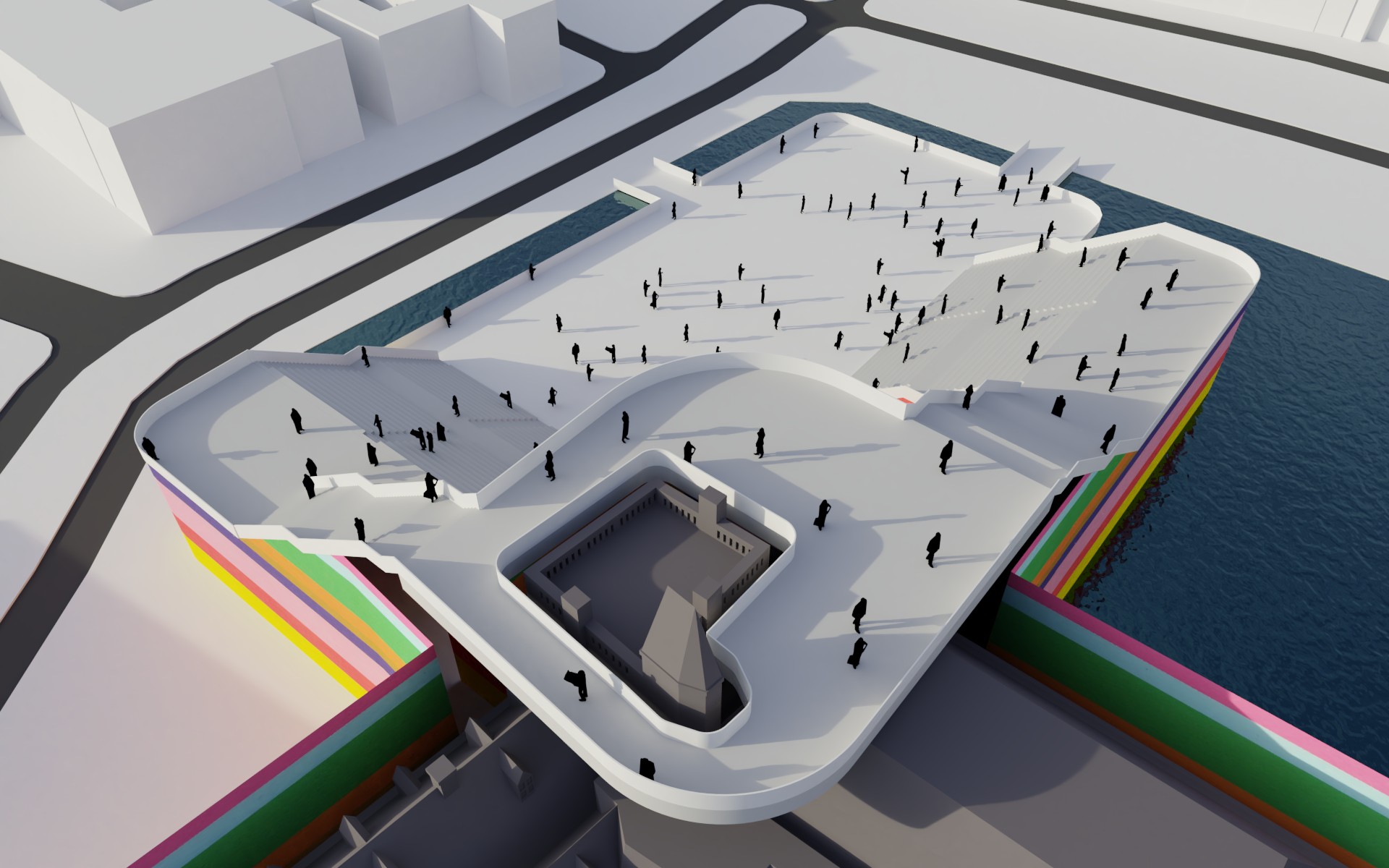
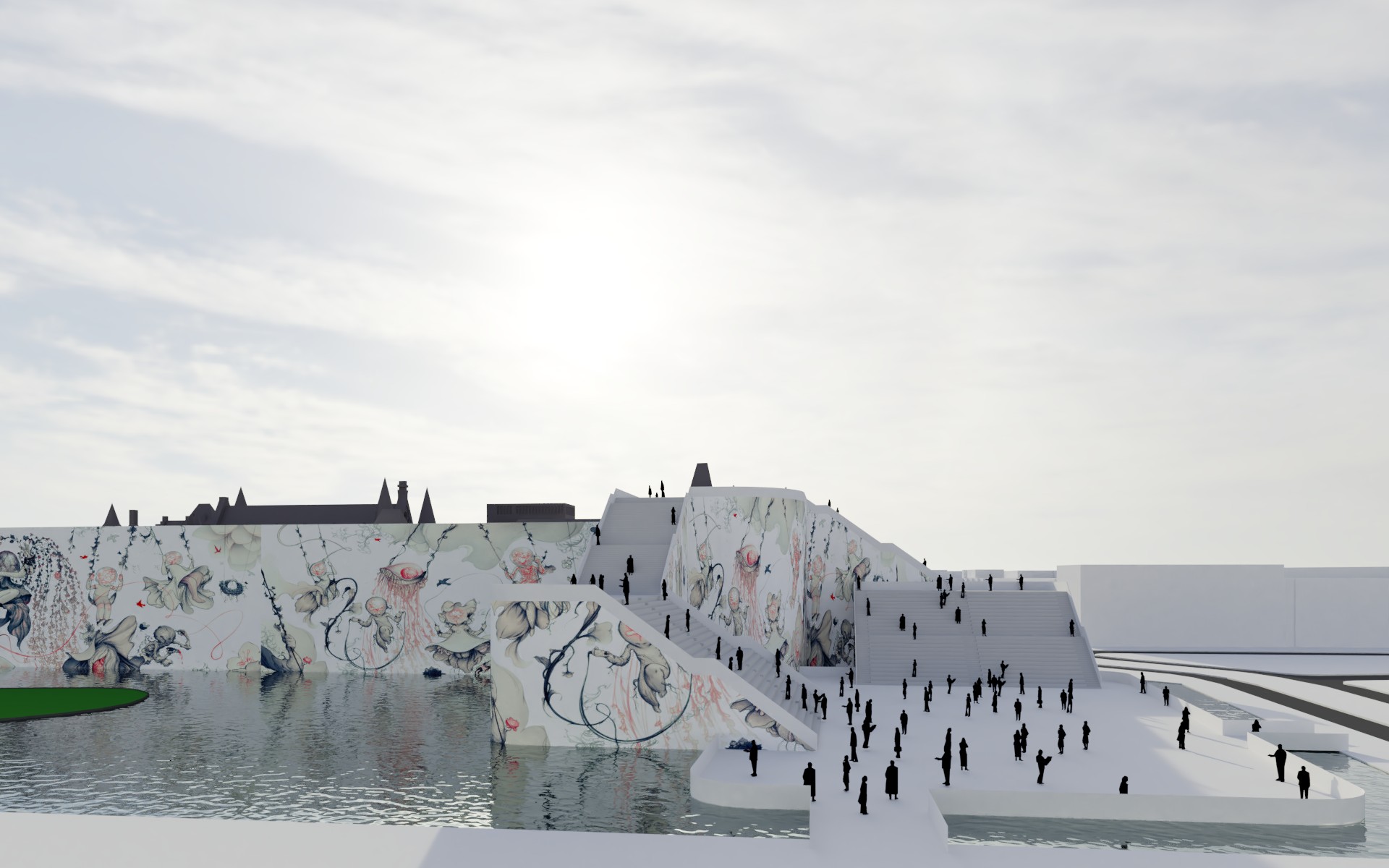
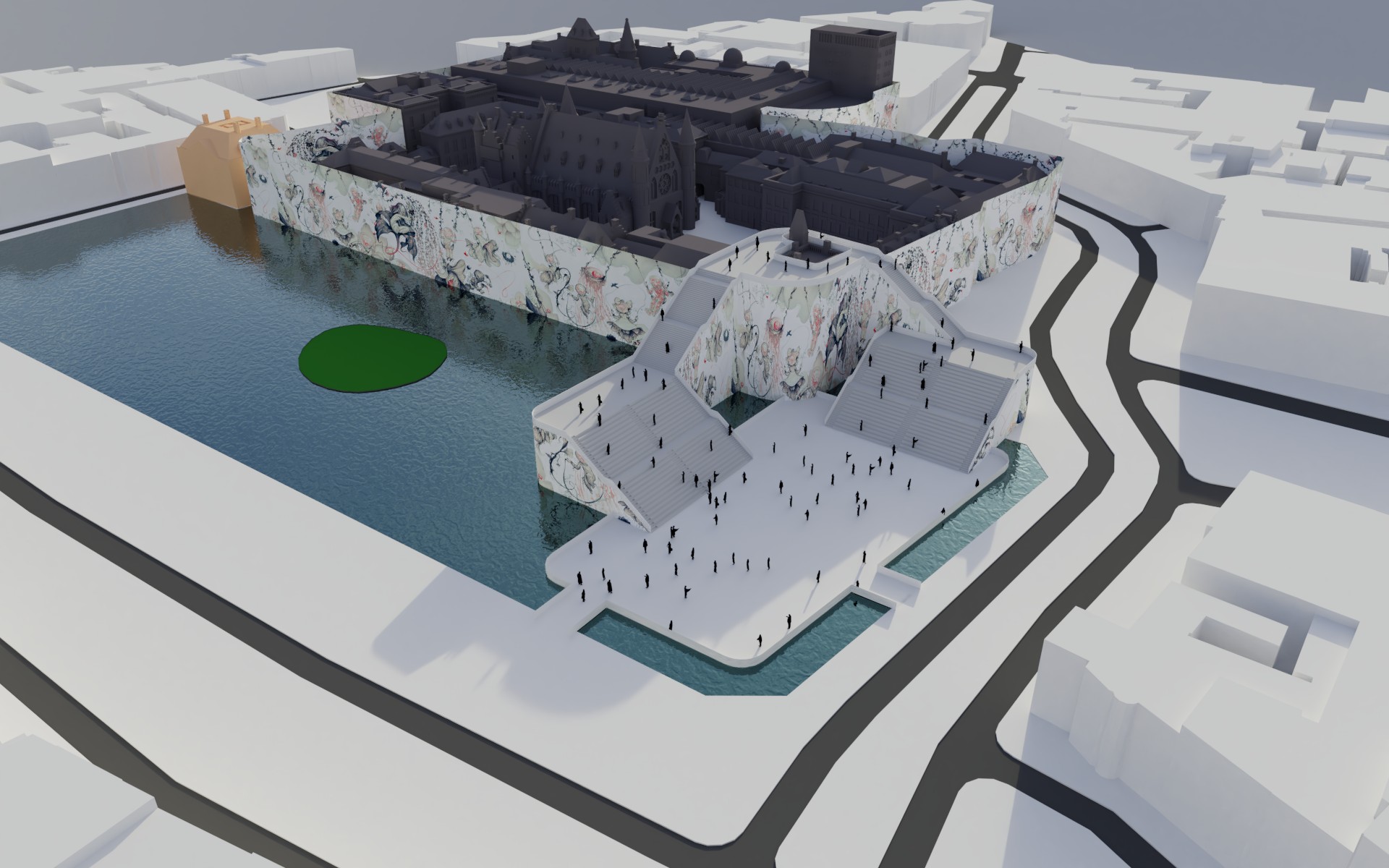
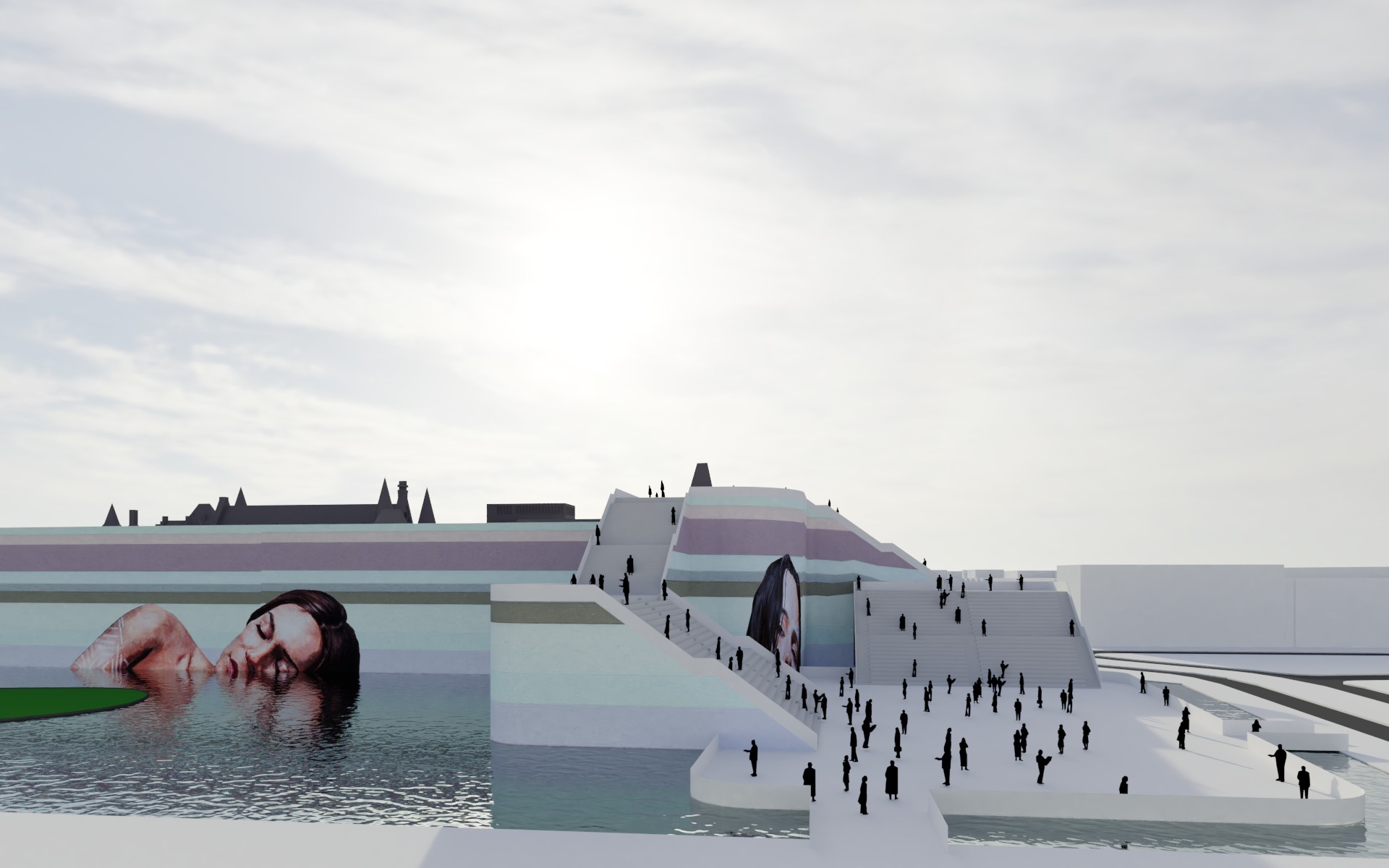
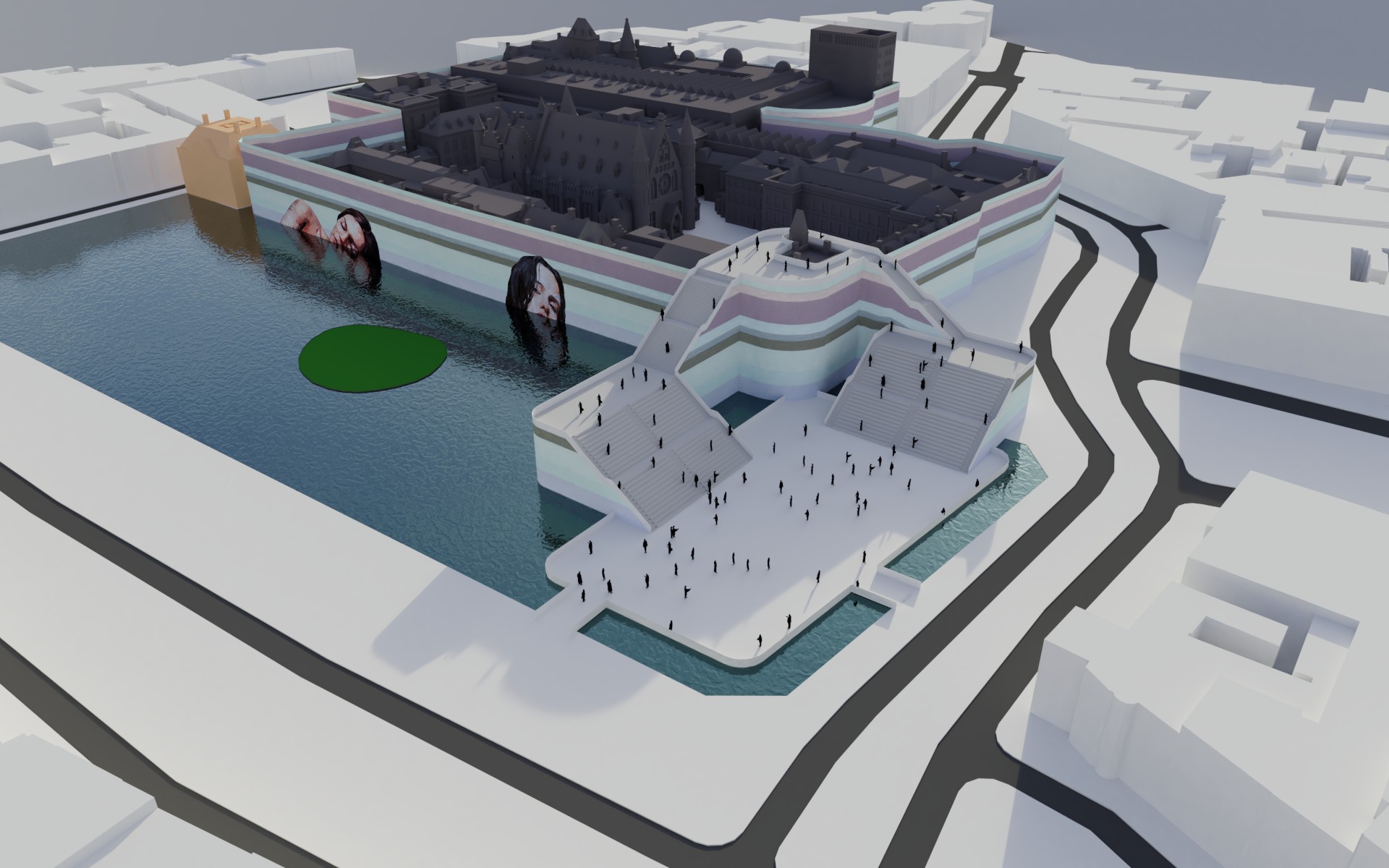
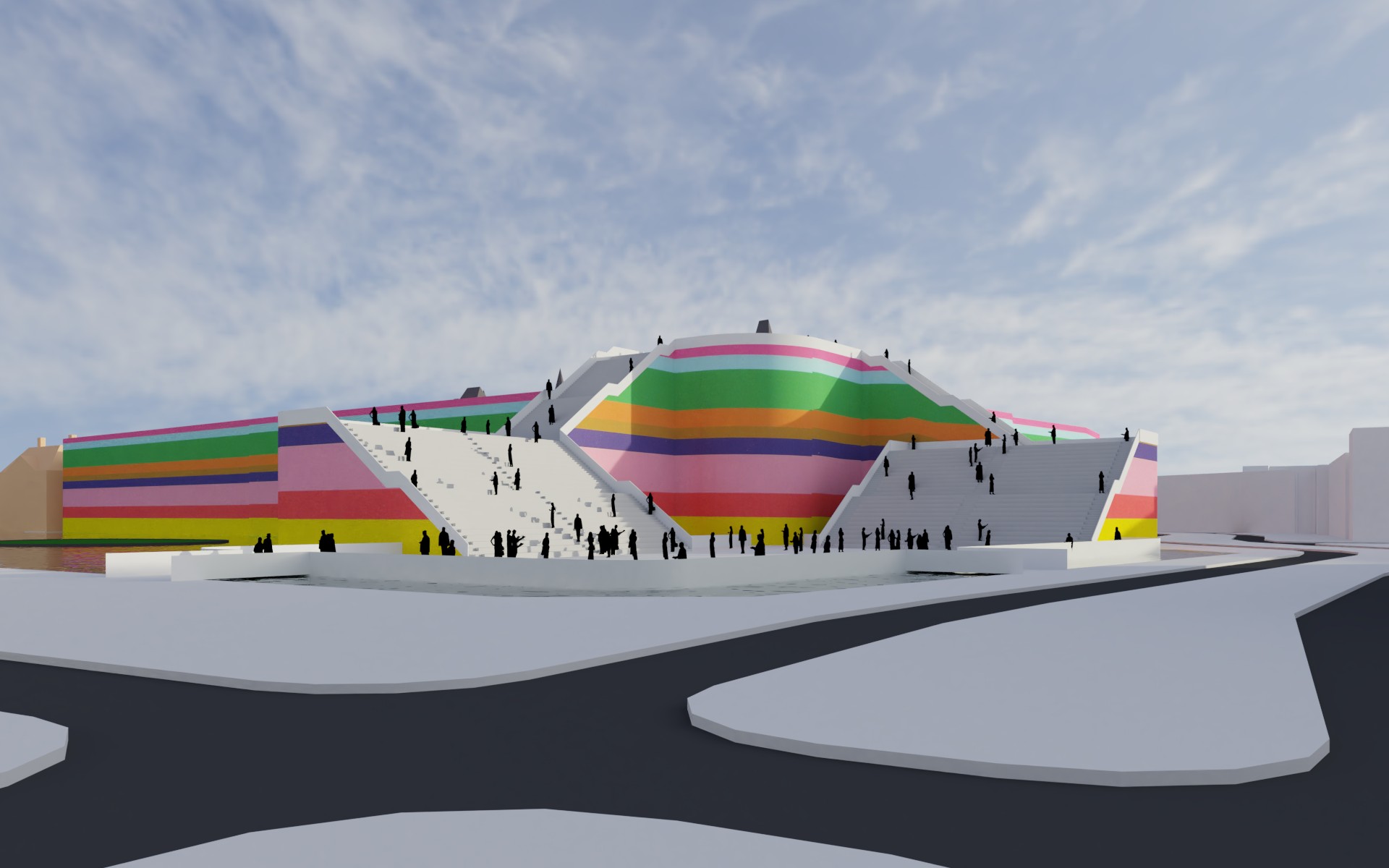
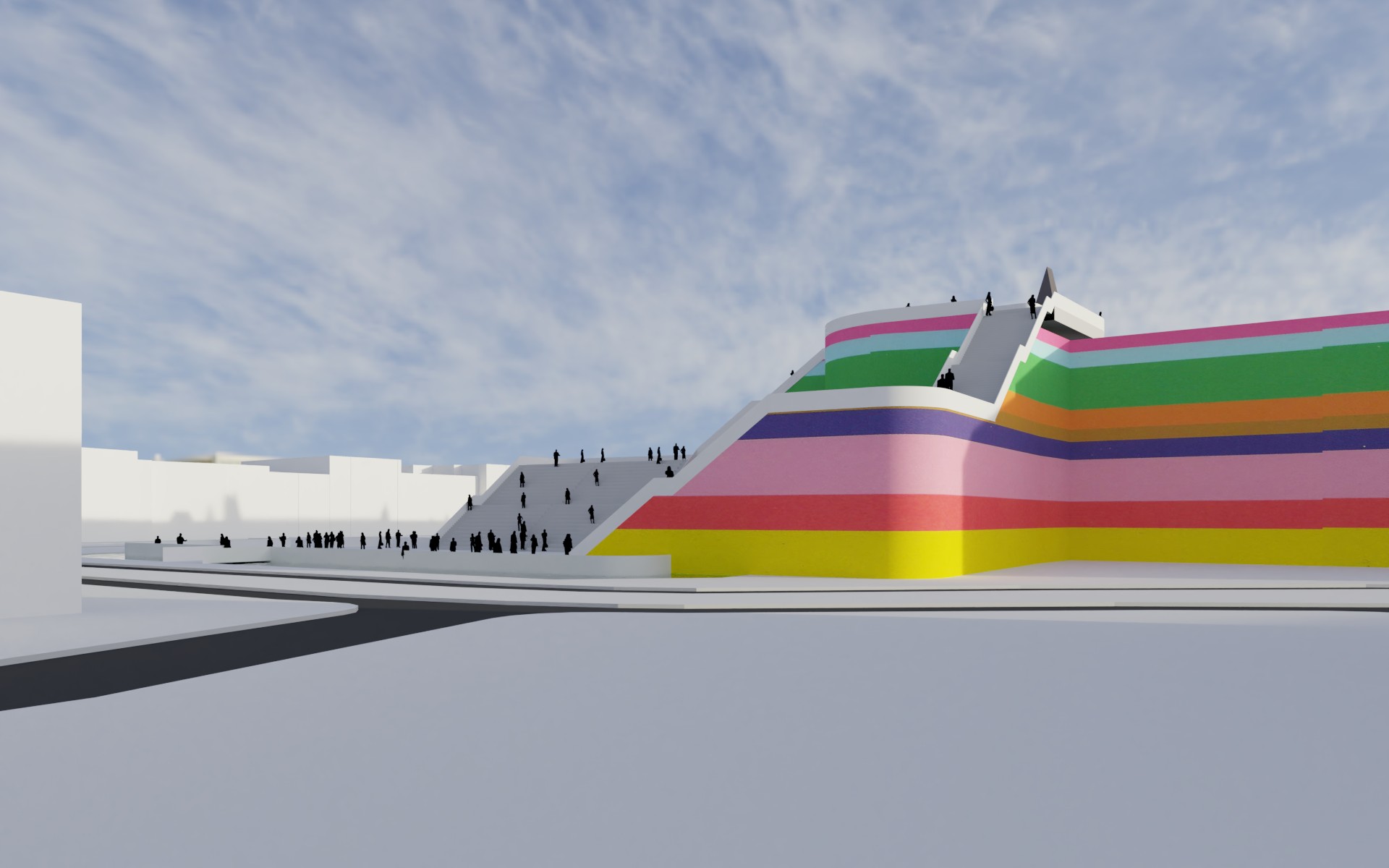
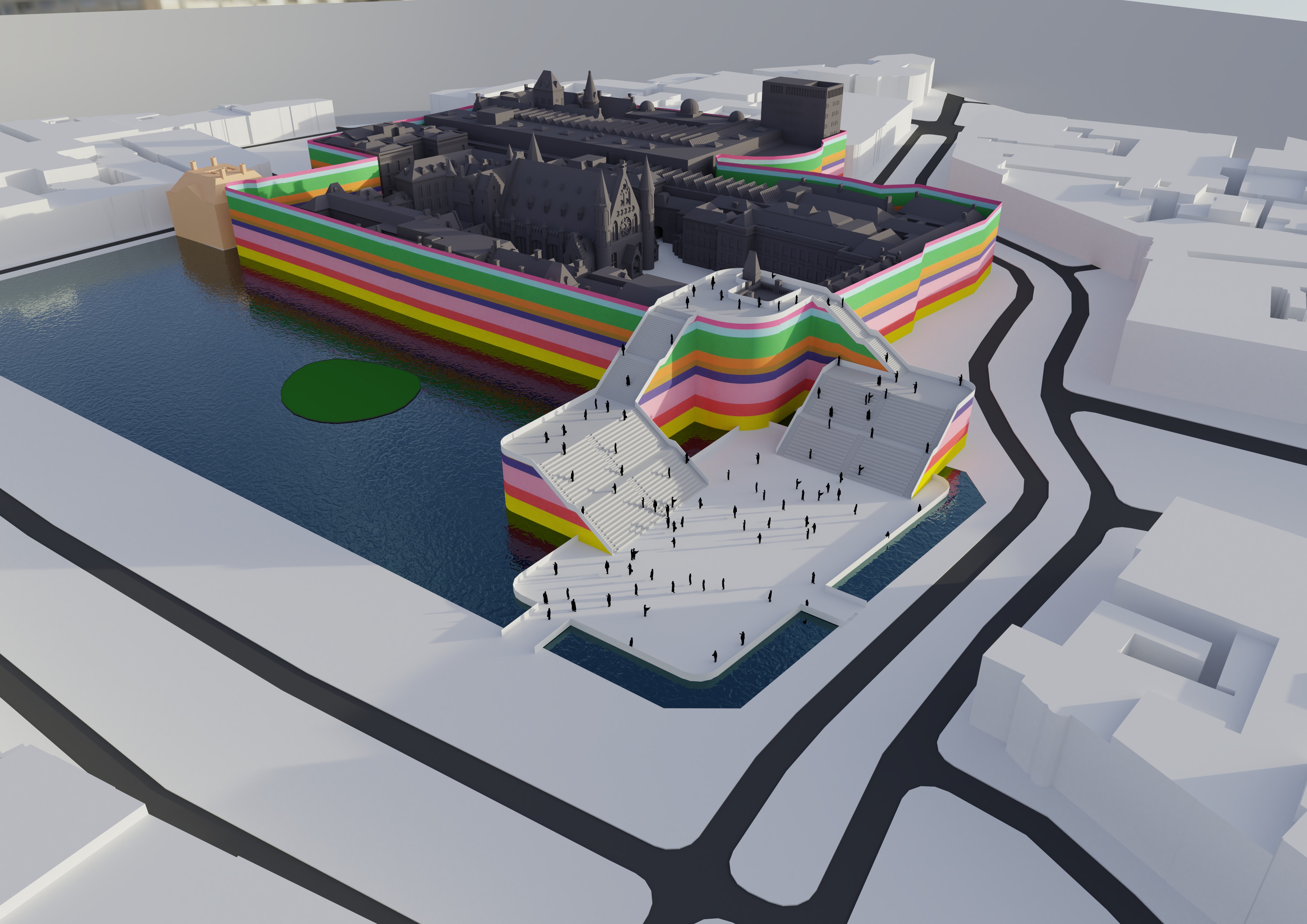
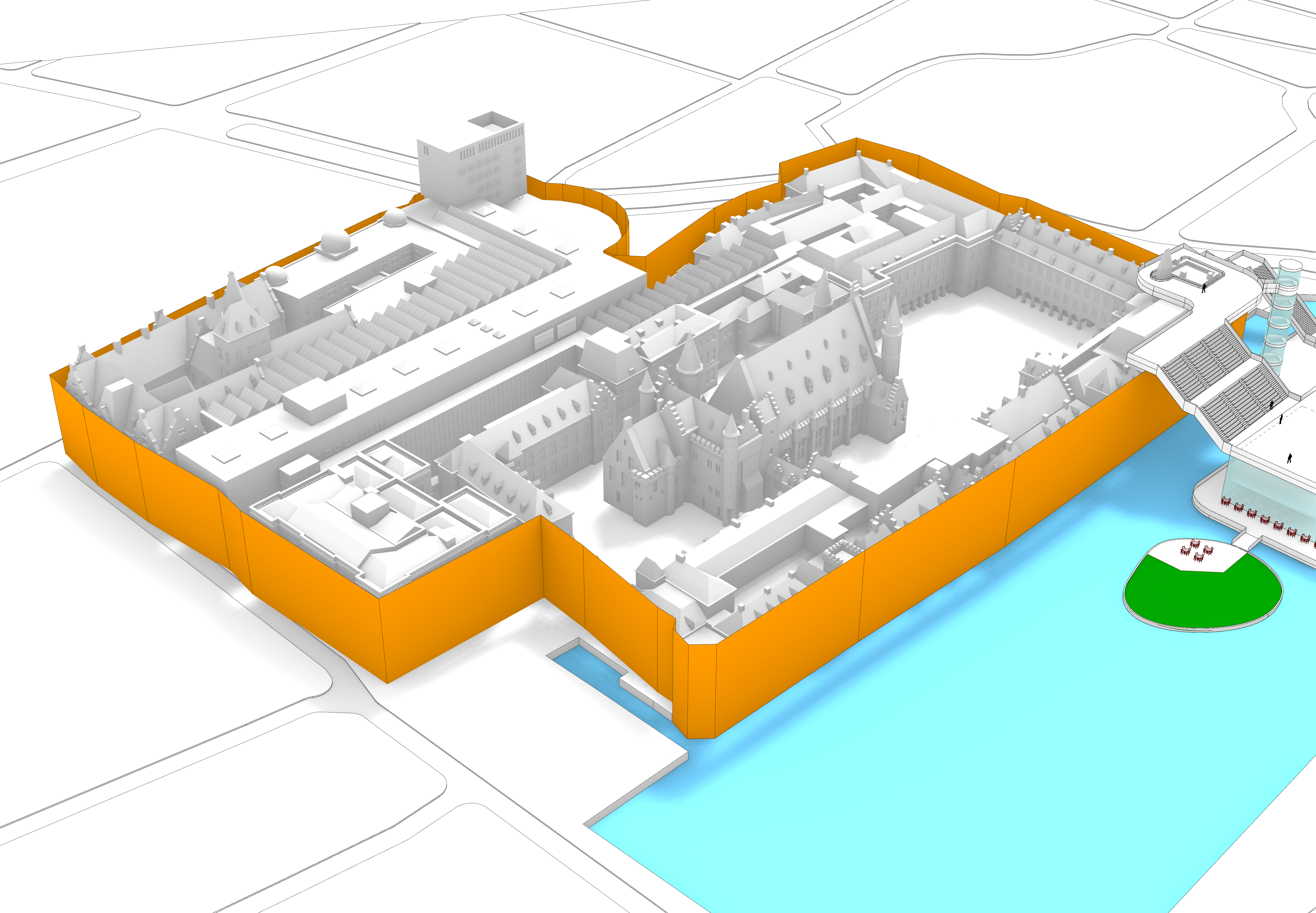
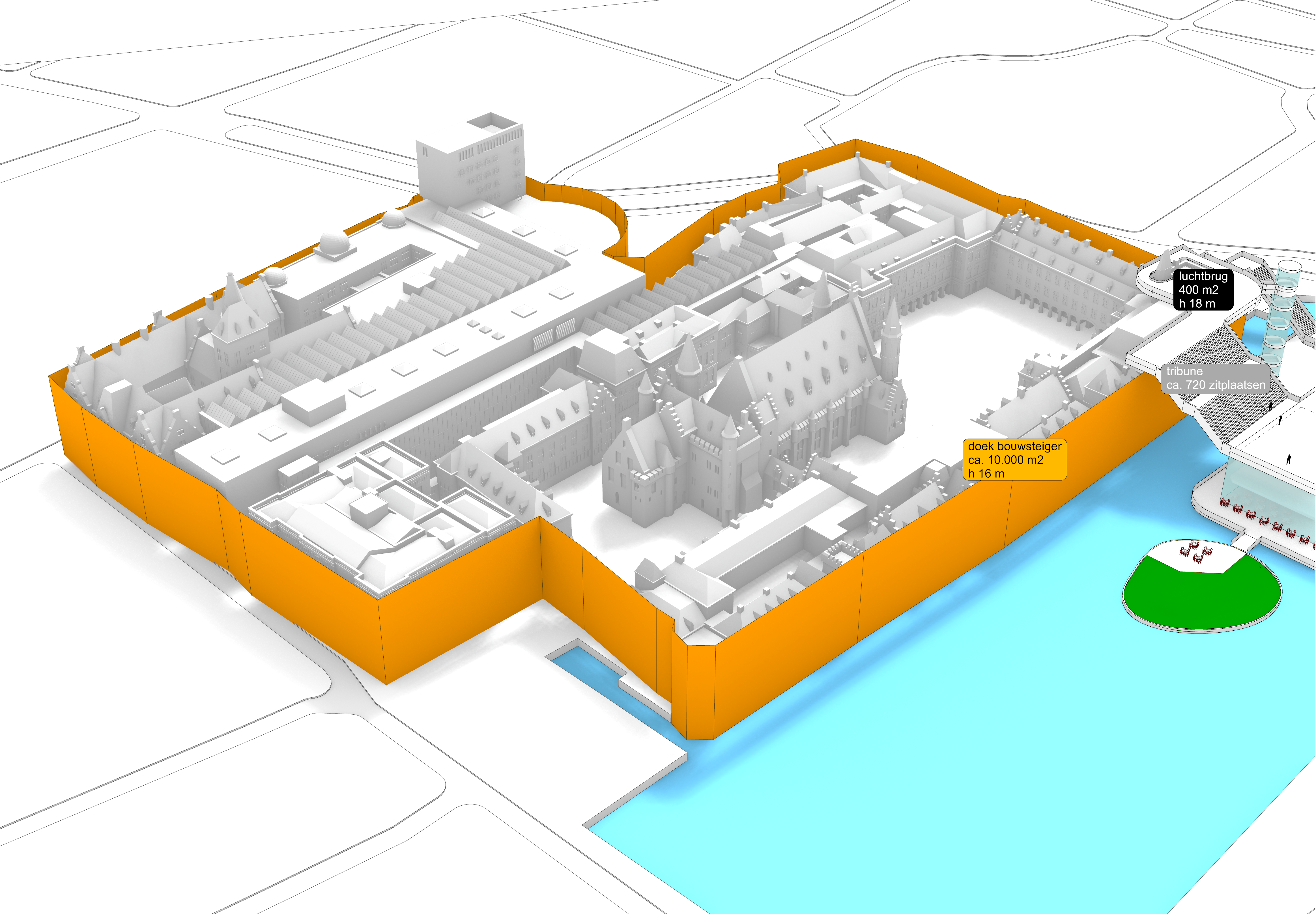
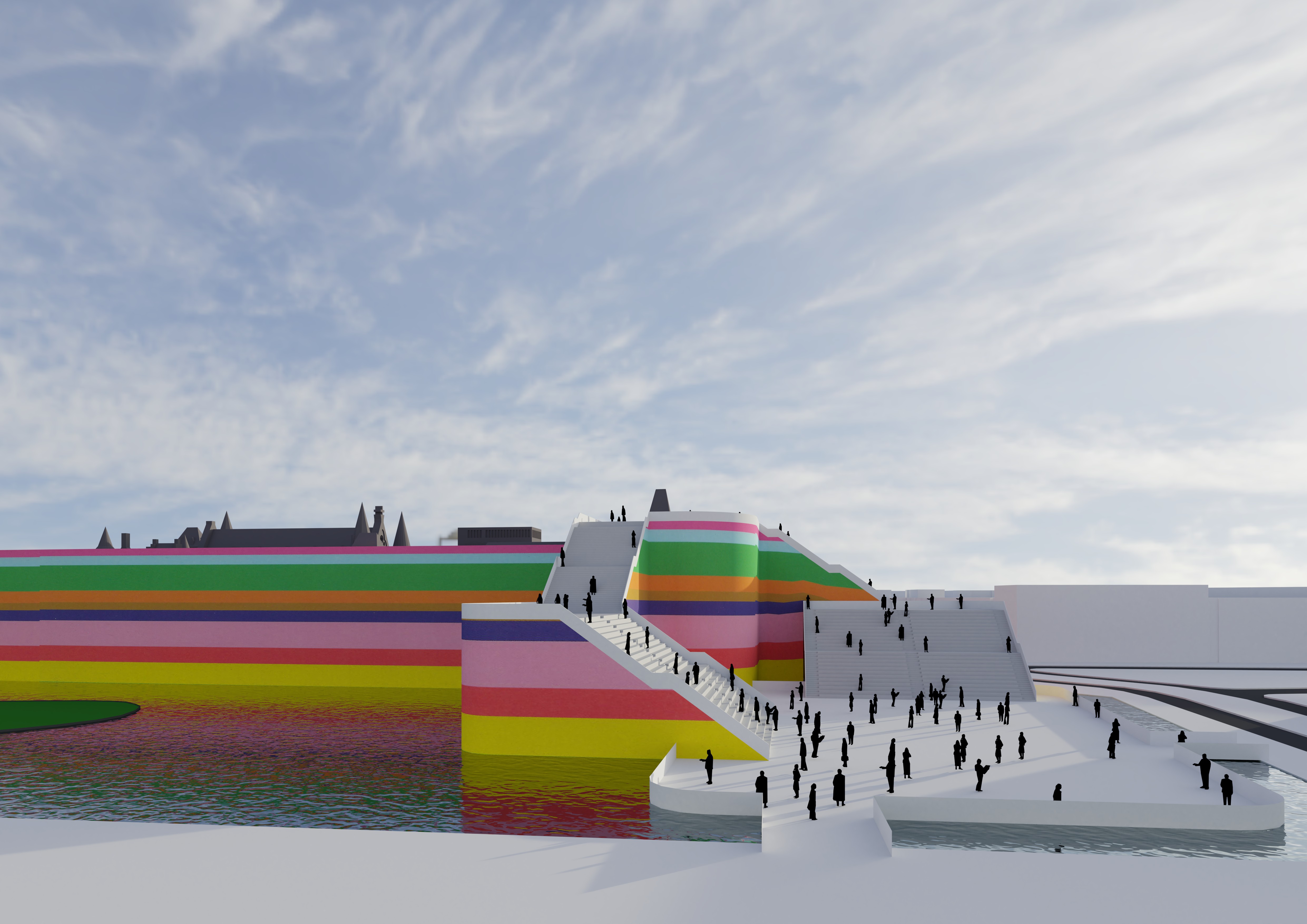
Commissioned by Mothership, MAUC developed a design together with Jeroen Everaert for an event square at the construction site of the House of Representatives. The idea was to turn the temporary construction pit into a place people would actually want to visit. The proposal was bundled in the publication "Binnenhof, from construction site to tourist attraction" and presented to the municipality of The Hague.
The concept "The Binnenhof: from construction site to tourist attraction" is a bold, upbeat proposal by Mothership. Instead of treating the Binnenhof renovation (2020–2026) as nothing but disruption and fencing, it flips the story and turns it into a cultural and tourism opportunity with national appeal.
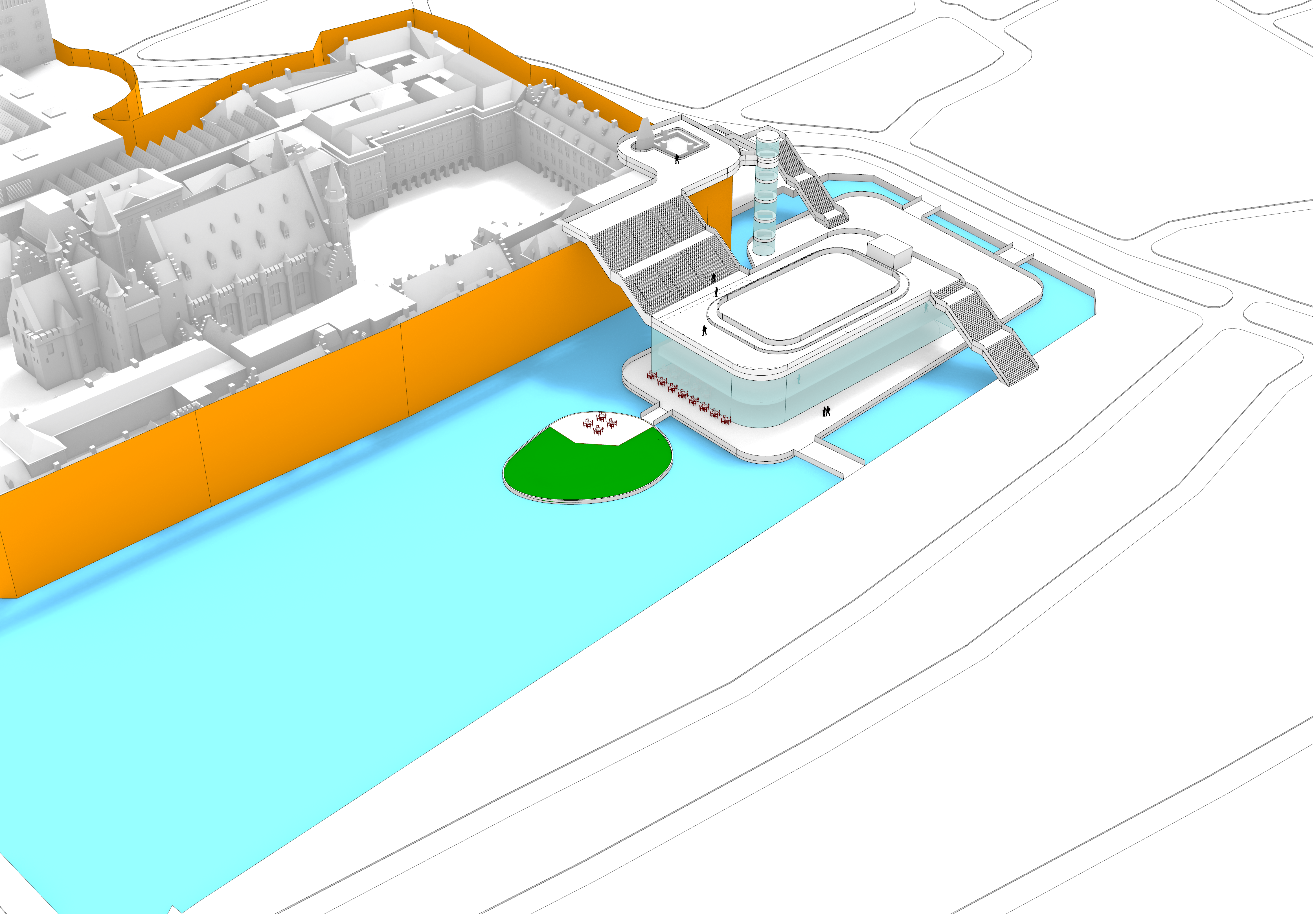
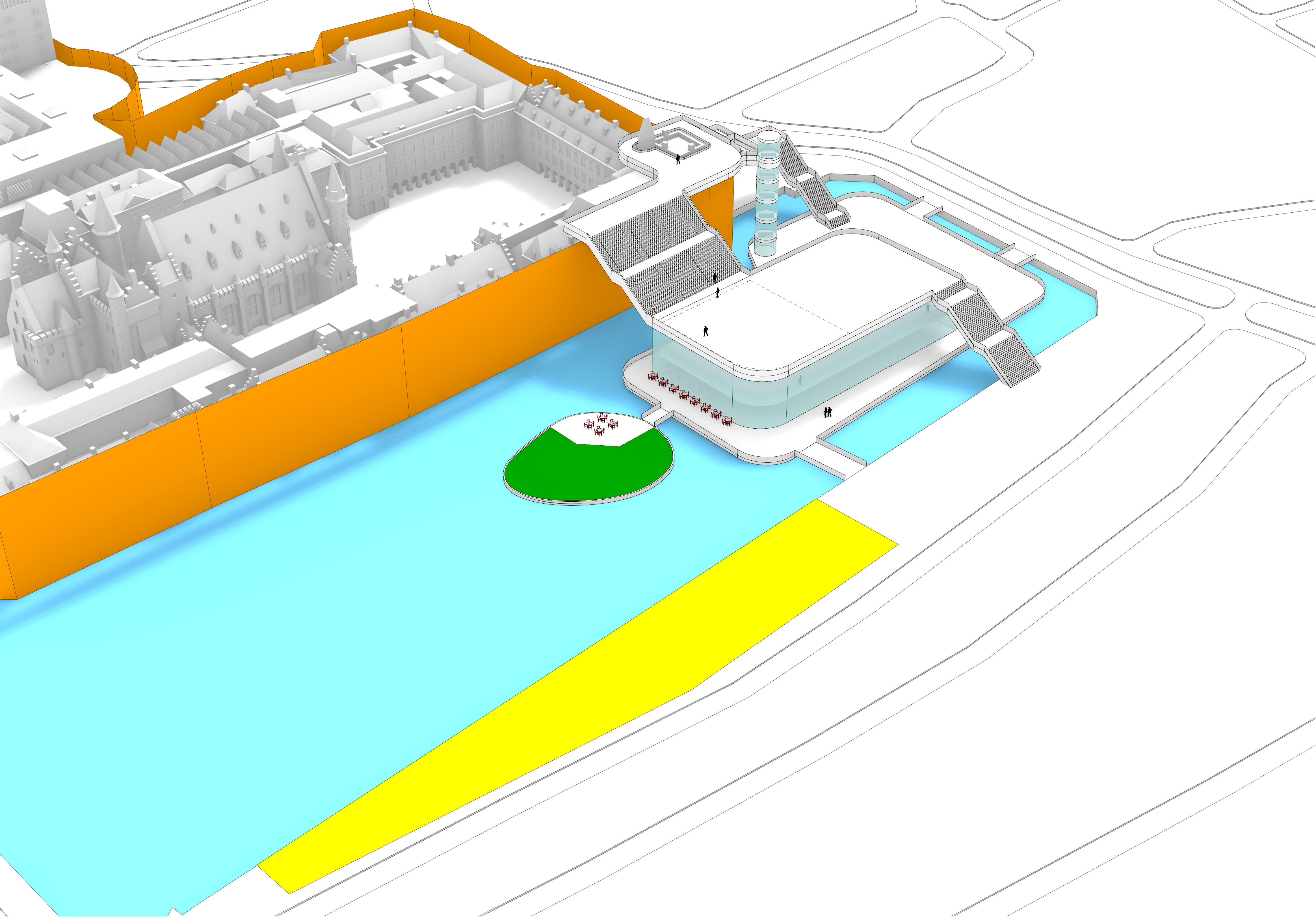
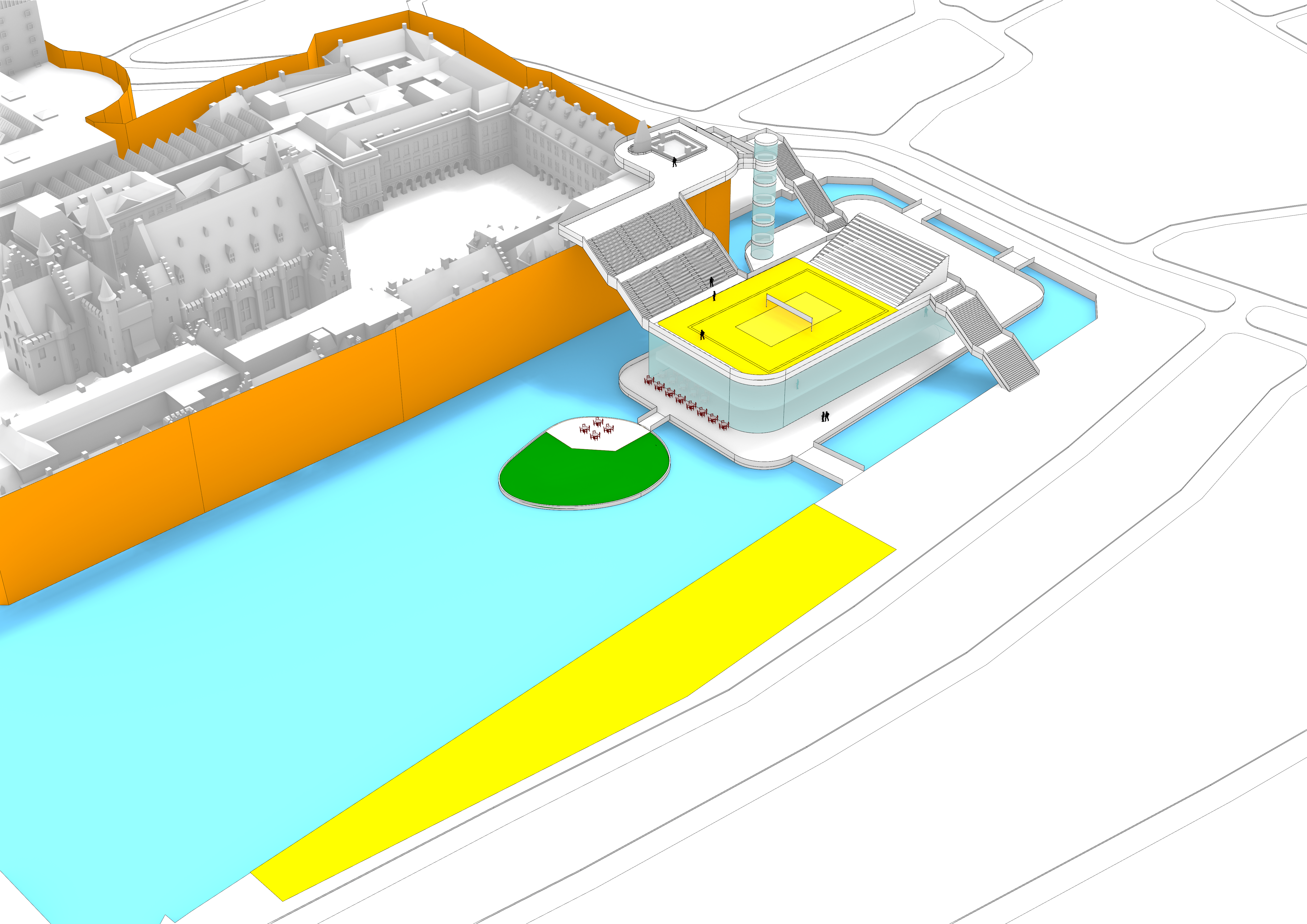
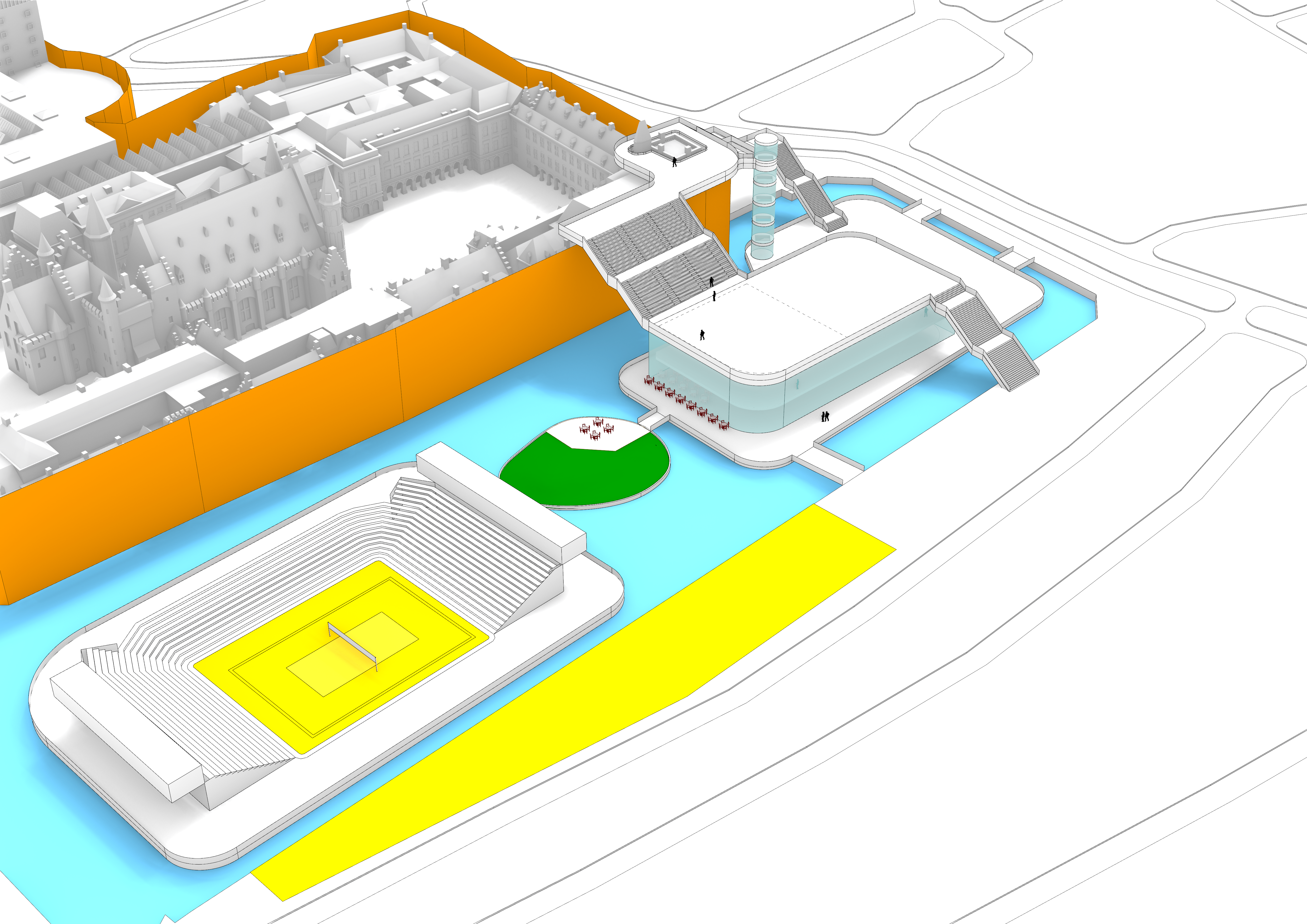
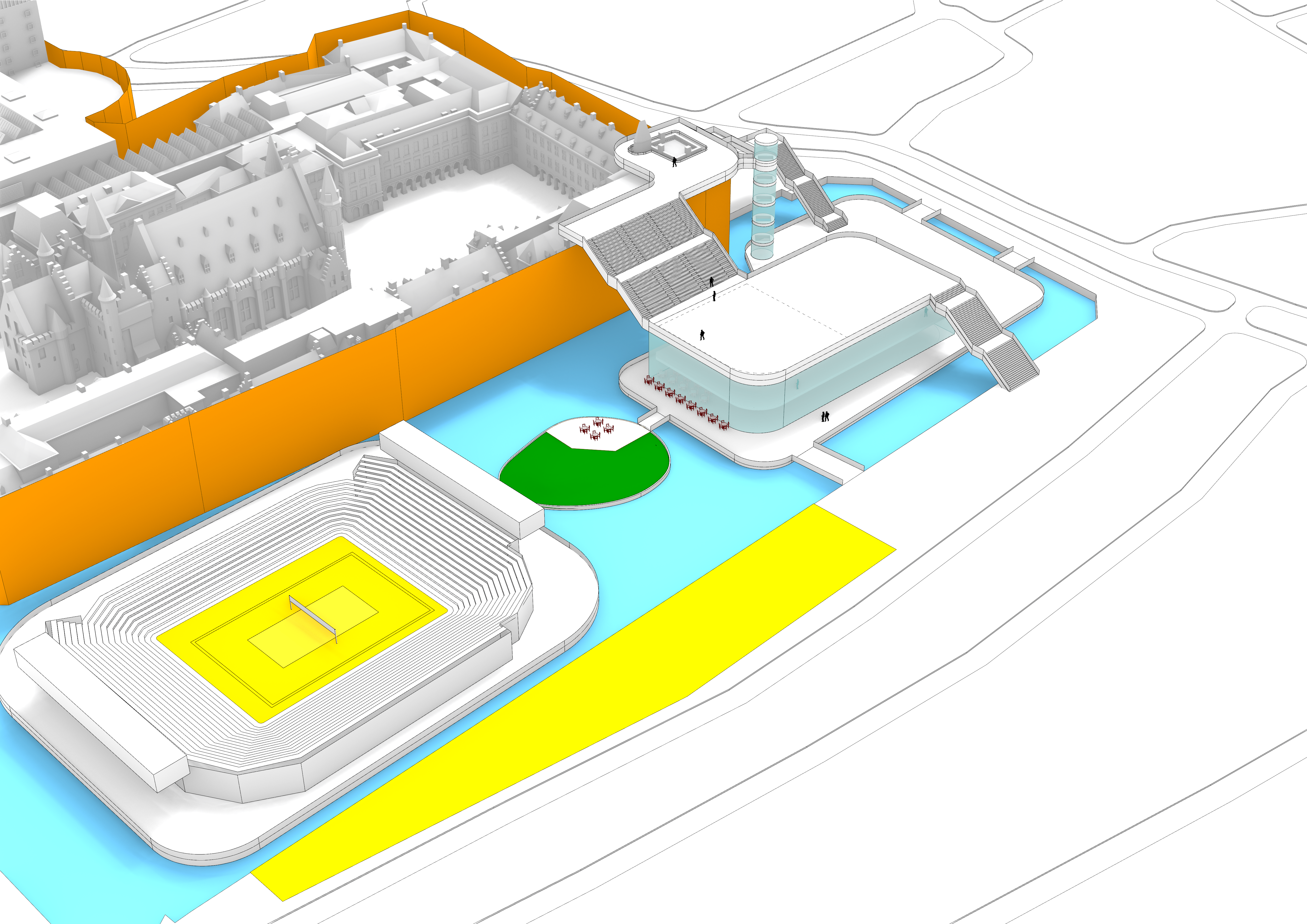
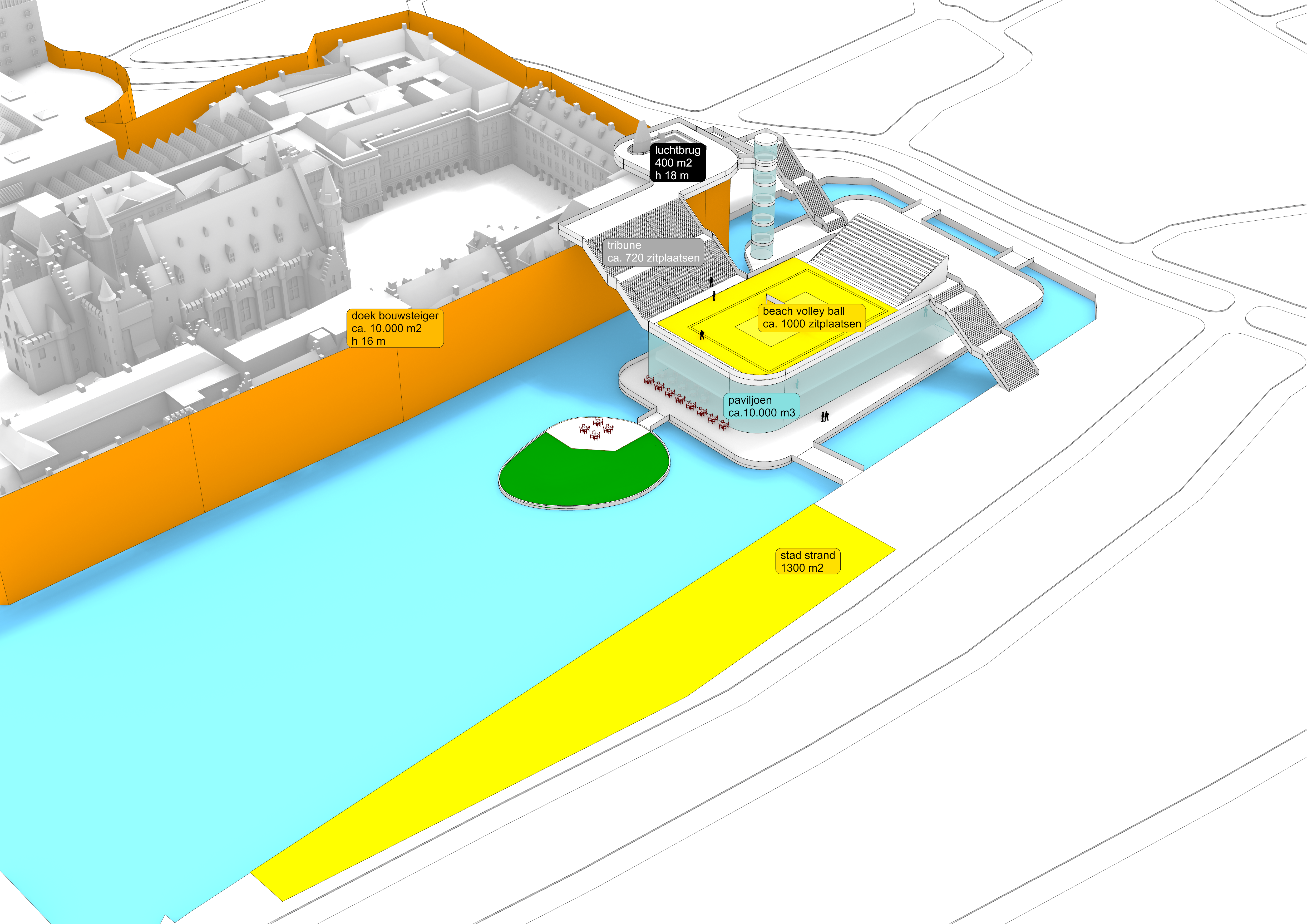
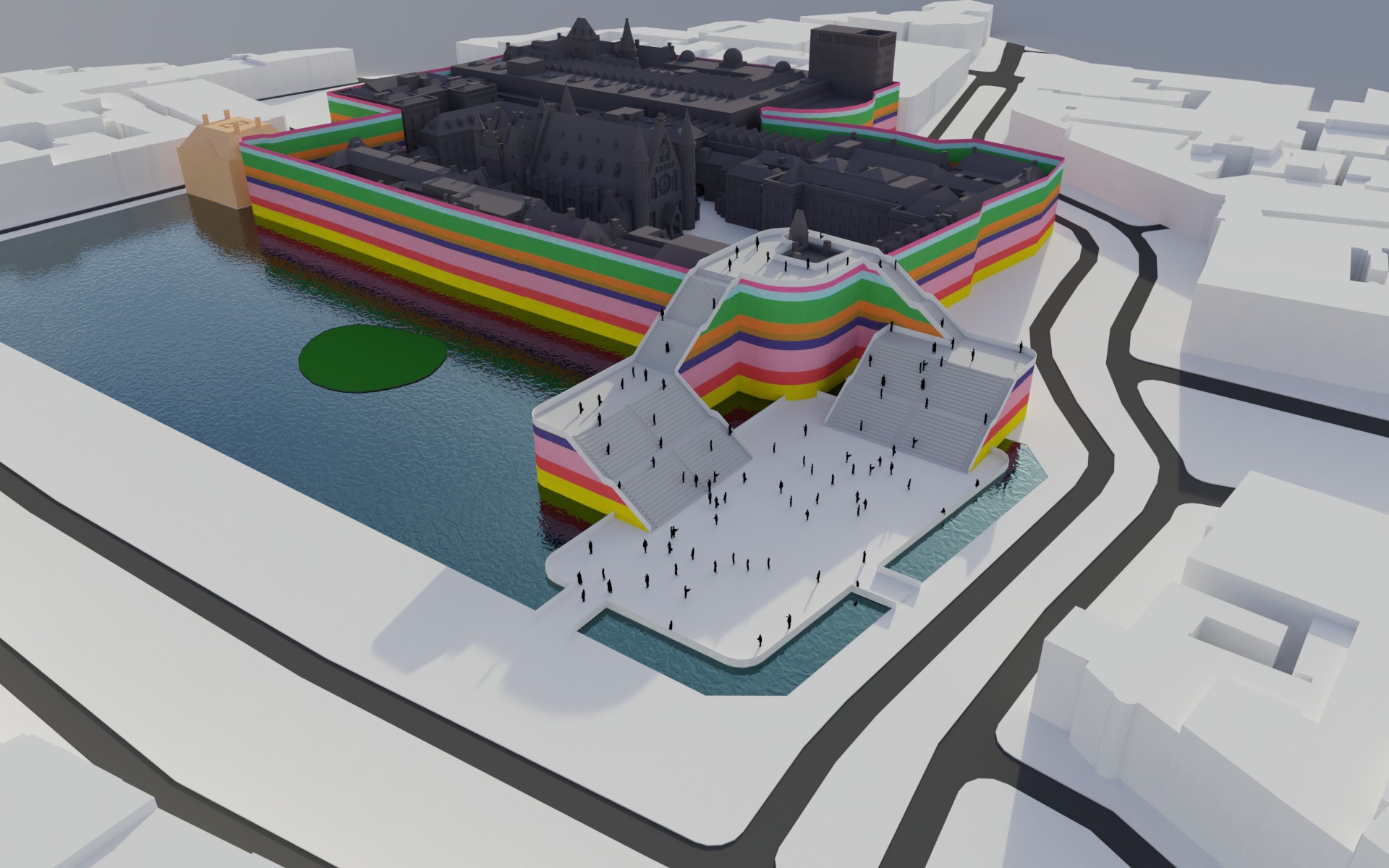
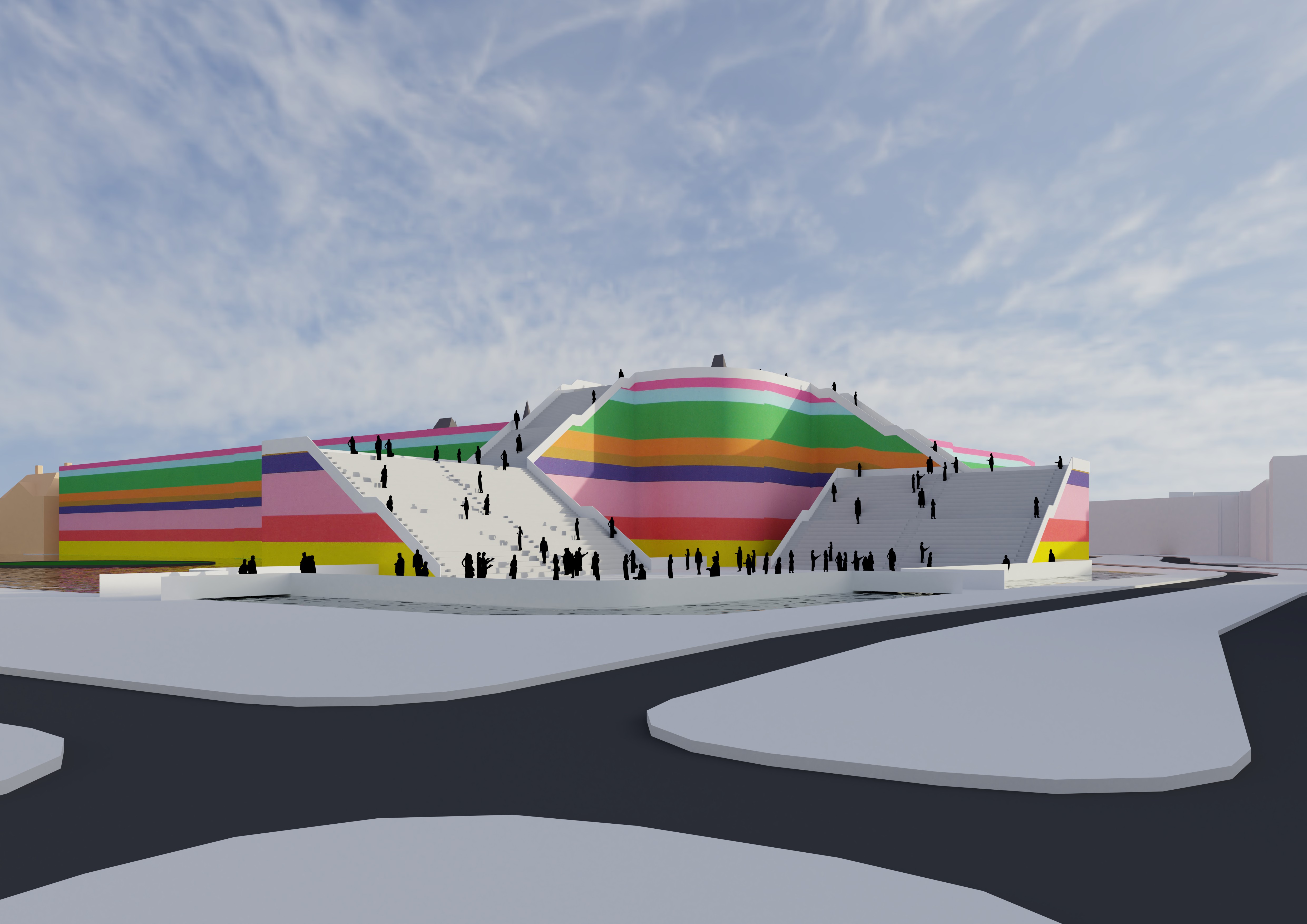
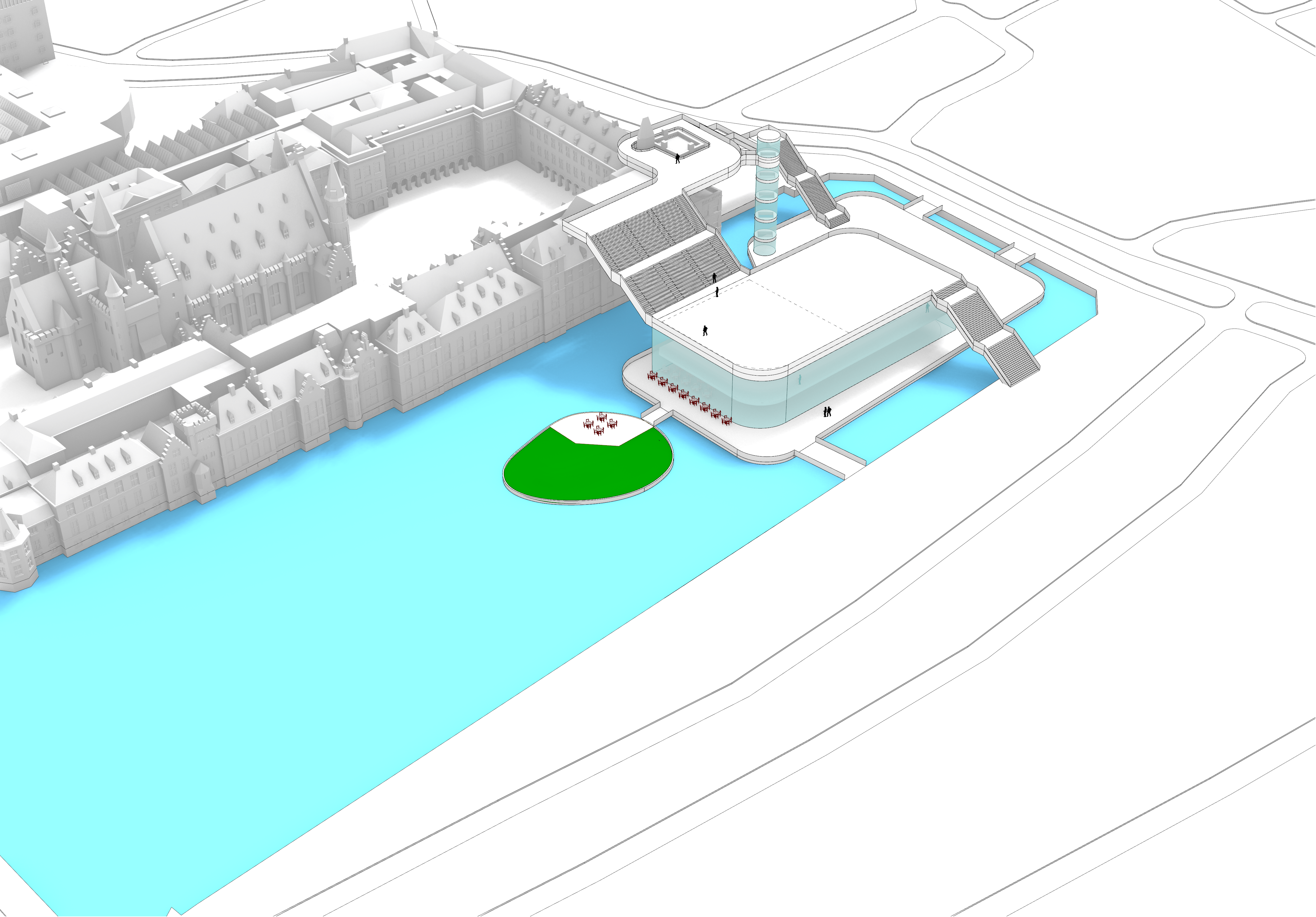
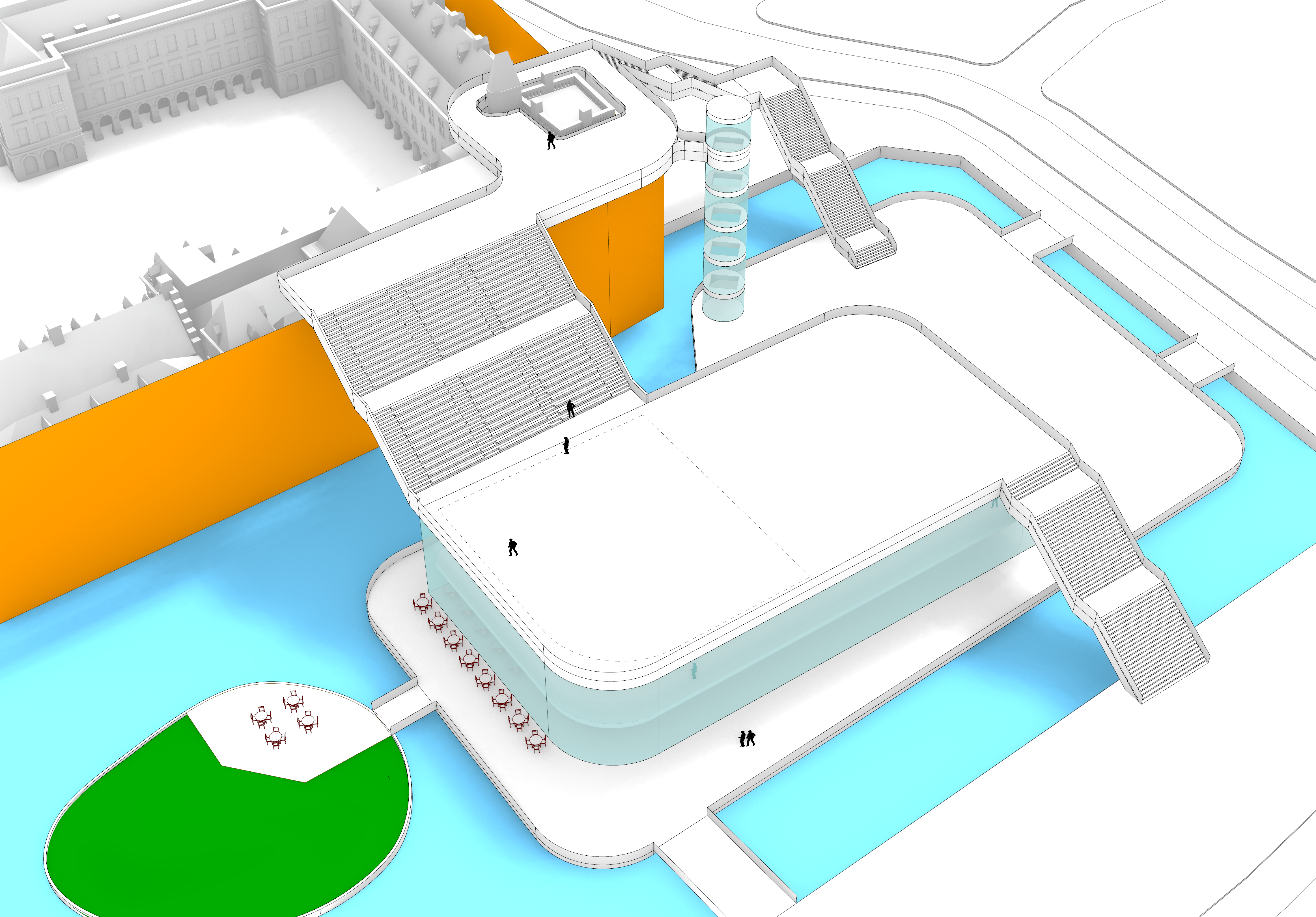
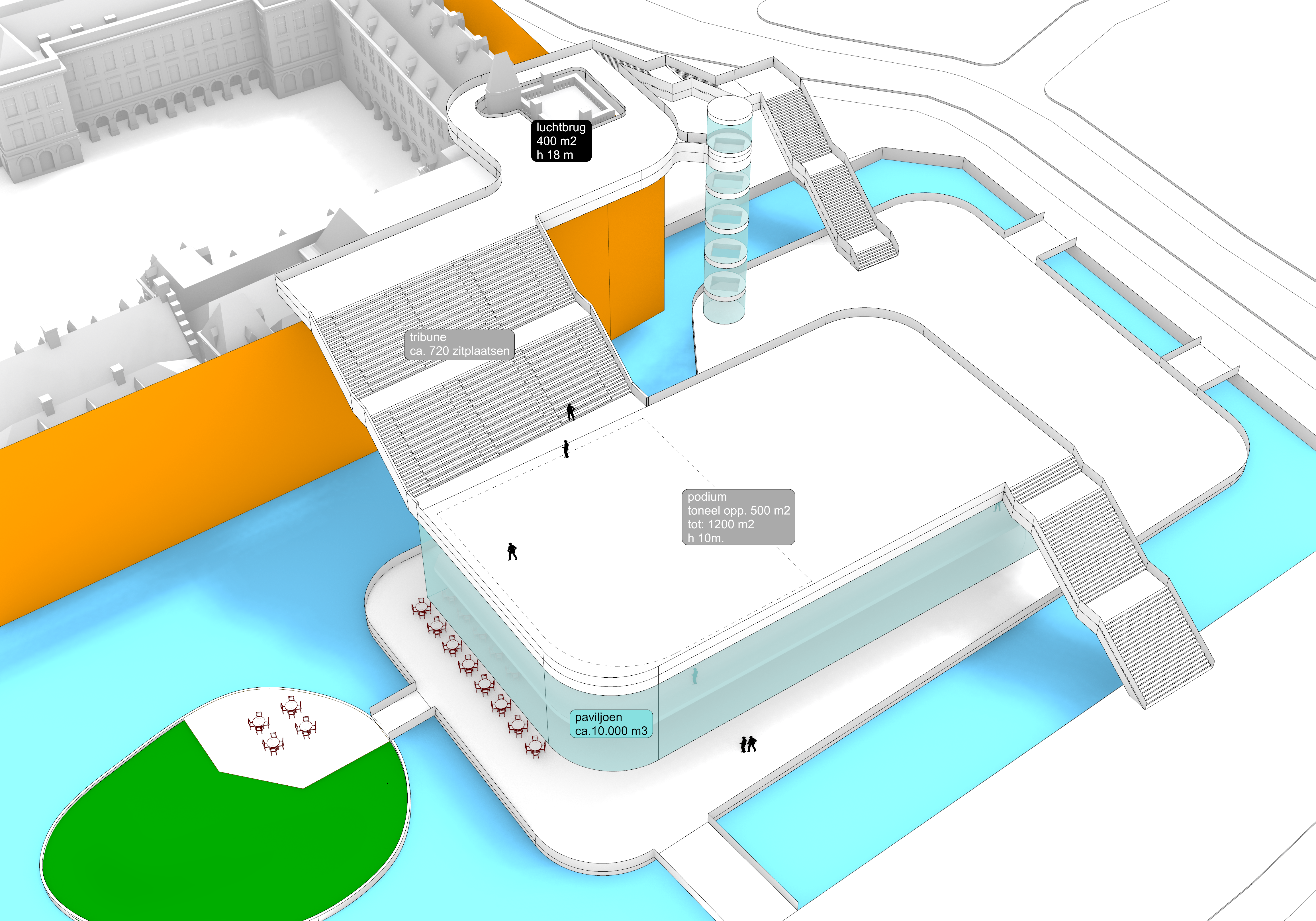
The core idea is straightforward: turn the temporary construction zone around the Binnenhof in The Hague into a lively destination. A key element is an iconic pavilion on the Hofvijver, designed in collaboration with Studio MAUC and Marcel Wanders. The pavilion is conceived as an information hub, exhibition space, event venue, and VIP reception point, with a look that feels both ceremonial and contemporary. It could also temporarily take over some of the Binnenhof’s representative functions.
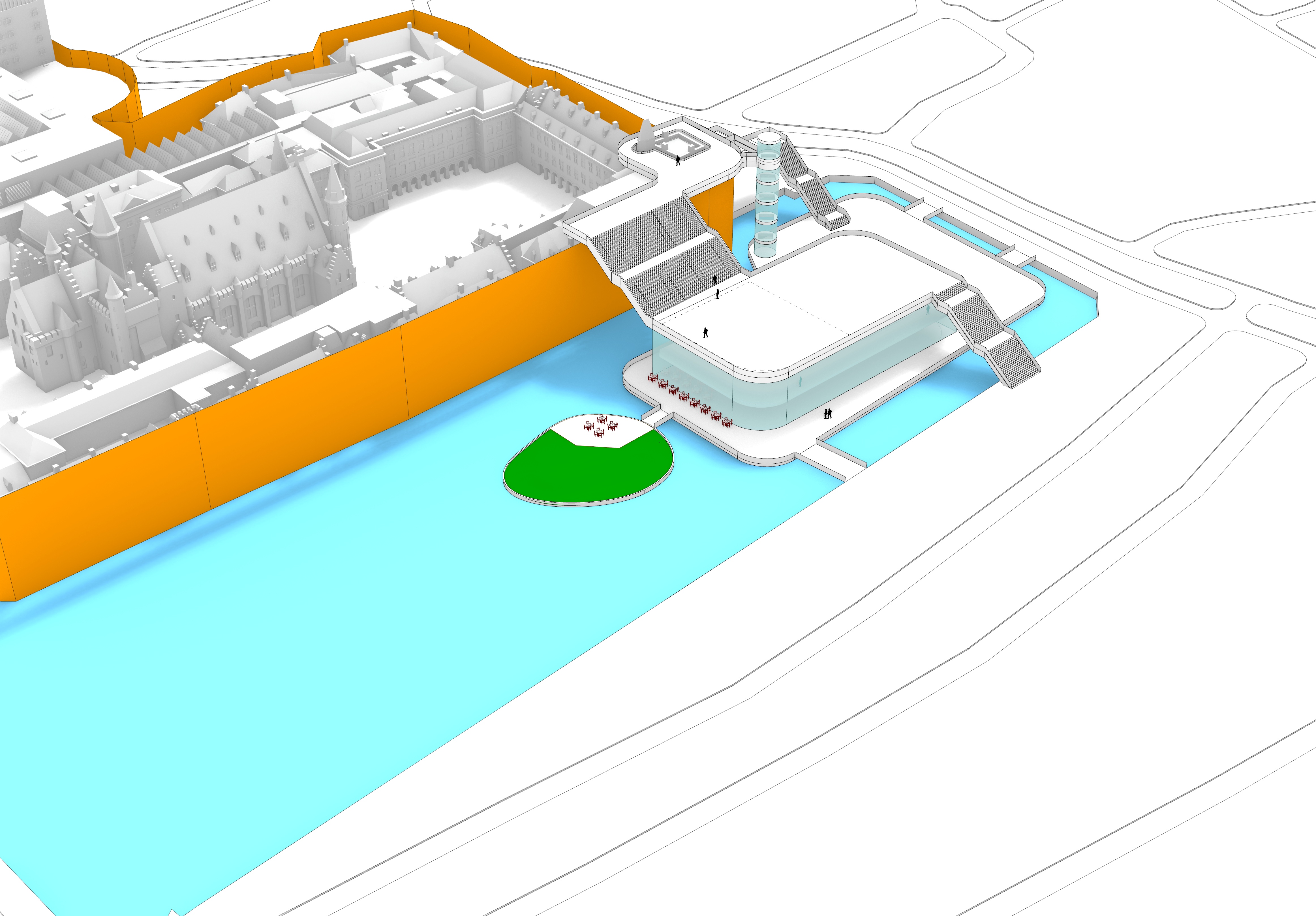
Around that, the concept adds a full set of interventions to make the area feel active and inviting: a bridge with a viewing point over the works, an ice rink and an urban beach alternating by year, an exclusive terrace on the small island in the Hofvijver, and scaffolding that is not hidden away but deliberately designed as part of the experience. Everything is tied together with one clear visual identity, with room for city dressing across the entire city centre.
It’s not just about what you build, but also about what you programme. The proposal works with yearly themes such as democracy, landscape, sport, society, food, and innovation. Those themes are translated into exhibitions, events, and educational programmes for both tourists and local residents.
In the end, the concept is meant as both a crowd puller and a smart PR move: it turns the downsides of the renovation into positive attention for The Hague and the Netherlands. It calls for bold choices, collaboration, and further development, but it could genuinely add something unique during and after the renovation period.